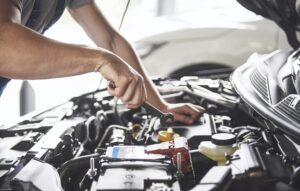
Time for a spring check-up? See what to replace in your car after winter.

Comprehensive Post-Winter Checkup
Winter is a challenging period for a car – low temperatures, road salt, and moisture can accelerate the wear of key components. Spring is the perfect time to conduct a spring check-up. During this, thoroughly inspect the vehicle’s condition. Then, prepare it for the warmer months. What should be replaced and checked during a spring check-up?
Tires – is it time for a replacement?
One of the first steps worth taking in spring is assessing the condition of the tires. Temperature changes and surface differences can significantly impact their condition. Even if you use all-season tires, it’s worth checking the tread depth – the minimum allowable is 1.6 mm. For safety, it’s better to replace tires at 3-4 mm. A spring check-up allows you to monitor these important parameters.
Also, pay attention to uneven tread wear. If the tires wear out faster on one side, it may indicate poor wheel alignment or suspension issues. In such a situation, it’s worth going for an alignment check to avoid further problems with vehicle handling. In fact, such inspections are often recommended as part of a spring check-up.
Don’t forget to check the tire pressure – after winter, it often turns out to be too low, which increases rolling resistance and negatively affects fuel consumption. A spring check-up is a good time for such a tire inspection.
Filters and Operating Fluids – do they need replacement?
Spring is a great time to replace filters and fluids that worked under heavy load in winter conditions. One of the most important elements, often overlooked, is the cabin filter. During months of winter driving, it may have collected a significant amount of dust, moisture, and contaminants. This not only lowers the air quality in the cabin but can also promote mold and bacteria growth. If there are unpleasant odors in the car or the windows frequently fog up, it’s a sign that the filter needs replacement.
Another important element is the air filter, which affects engine efficiency. A dirty and clogged filter restricts air flow to the combustion chamber. As a result, this can lead to increased fuel consumption and reduced power.
It’s also worth considering changing the oil and oil filter – although not every manufacturer recommends a spring change, if you drove short distances in winter or the car was used in difficult conditions, new oil will provide better engine protection. A spring check-up often includes such actions.
It’s also good to check the coolant and brake fluid levels. In low temperatures, they can lose their properties. Therefore, if the coolant looks dirty or its level is too low, it’s worth replacing it to avoid engine overheating problems in summer. Moreover, a spring check-up is a convenient moment to assess the condition of operating fluids.
Suspension and Brake System – how to check their condition after winter?
Winter conditions can have a particularly large impact on the suspension and brake system. Road salt and moisture accelerate corrosion of springs and shock absorbers, so it’s worth checking their condition. If you notice knocking while driving over bumps or the car leans more than usual, it may indicate worn shock absorbers. These problems should be addressed during a spring check-up.
Don’t forget about checking the brakes. After winter, surface rust often appears on the brake discs, which should disappear after a few stronger brakings. However, if you hear squeaking and the brake pedal feels less responsive, it’s a sign that the pads or discs may need replacement.
Air Conditioning and Electrical System – is everything working properly?
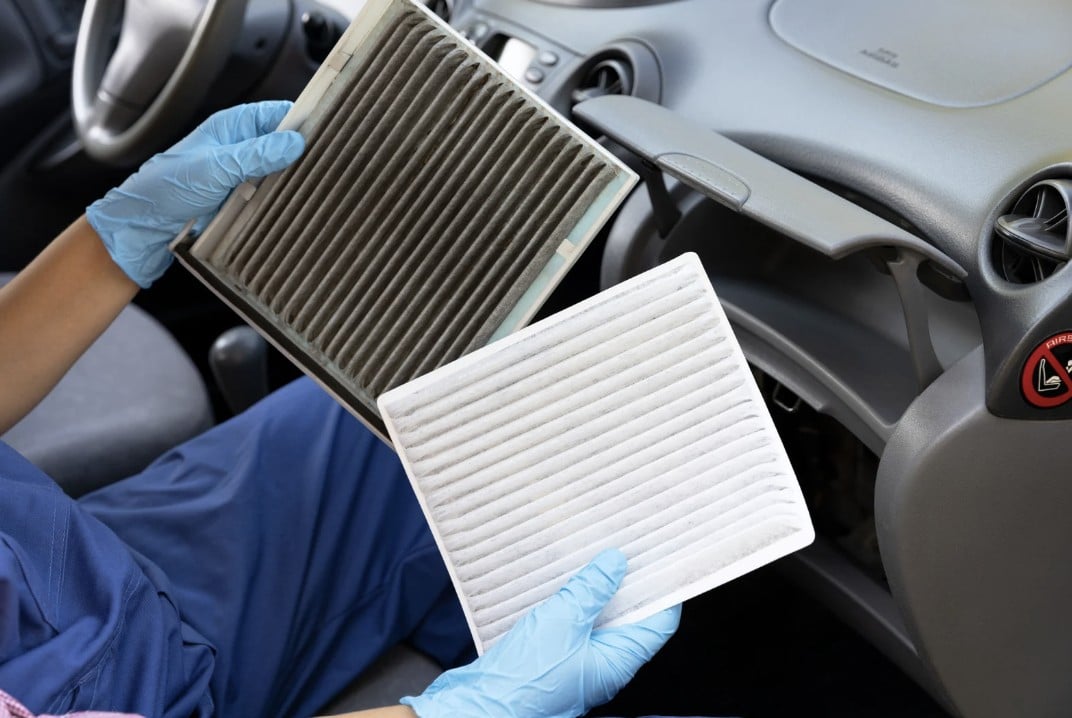
If you rarely used the air conditioning in winter, spring is an excellent time to check its condition. Lack of regular use can cause moisture to accumulate in the ducts, promoting bacteria and mold growth. If the air conditioning doesn’t cool as well as before or emits an unpleasant odor, consider cleaning and possibly refilling the refrigerant.
It’s also worth checking the condition of the battery. Low temperatures in winter may have weakened it. If you had starting problems, it may be a sign that the battery no longer maintains the proper charge level. It’s worth testing it to avoid unexpected problems in summer during the spring check-up.
Spring is the perfect time for a comprehensive car checkup after the harsh winter conditions. Proper vehicle preparation not only ensures safety and driving comfort but also helps avoid costly repairs in the future. Additionally, a spring check-up makes your car ready for the new season.
Don’t forget about regular servicing and checking the condition of filters, suspension, and brakes. This way, your car will be ready for the warm months. A spring check-up is an essential part of vehicle maintenance.